
Plumbing Troubleshooting Guide
Work out what is likely wrong before you call: a step-by-step troubleshooter, the quick fixes that are safe to try, and the signs that mean you should call a plumber now.
Symptom Troubleshooter
Pick what you are seeing and answer three quick questions. You get the likely cause, a first step that is safe to try, when it is time to call, and the page that covers the repair.
Plumbing Symptom Troubleshooter
Pick the symptom, then answer the three questions below it. The questions change with the symptom.
The likely cause, a safe first step and when to call will appear here.
Quick Fixes Worth Trying First
These four take minutes, need no special tools, and solve a good share of the calls we get.
- Find your main shutoff now. It is usually where the water line comes through the basement wall, next to the meter. Make sure it turns, and that everyone in the house knows where it is. The emergency page has a drawing.
- Clean the aerator. When one faucet runs weak, unscrew the tip, rinse the little screen and soak it in vinegar. Grit and scale there are the most common cause of low pressure at a single faucet.
- Reset the water heater. For an electric heater, check the breaker. For gas, check whether the pilot is lit and relight it using the instructions on the label, but only if there is no smell of gas.
- Check the sump pump float. If the pump does not start, make sure it is plugged in, the outlet works and the float can move freely without catching on the pit wall or the cord.
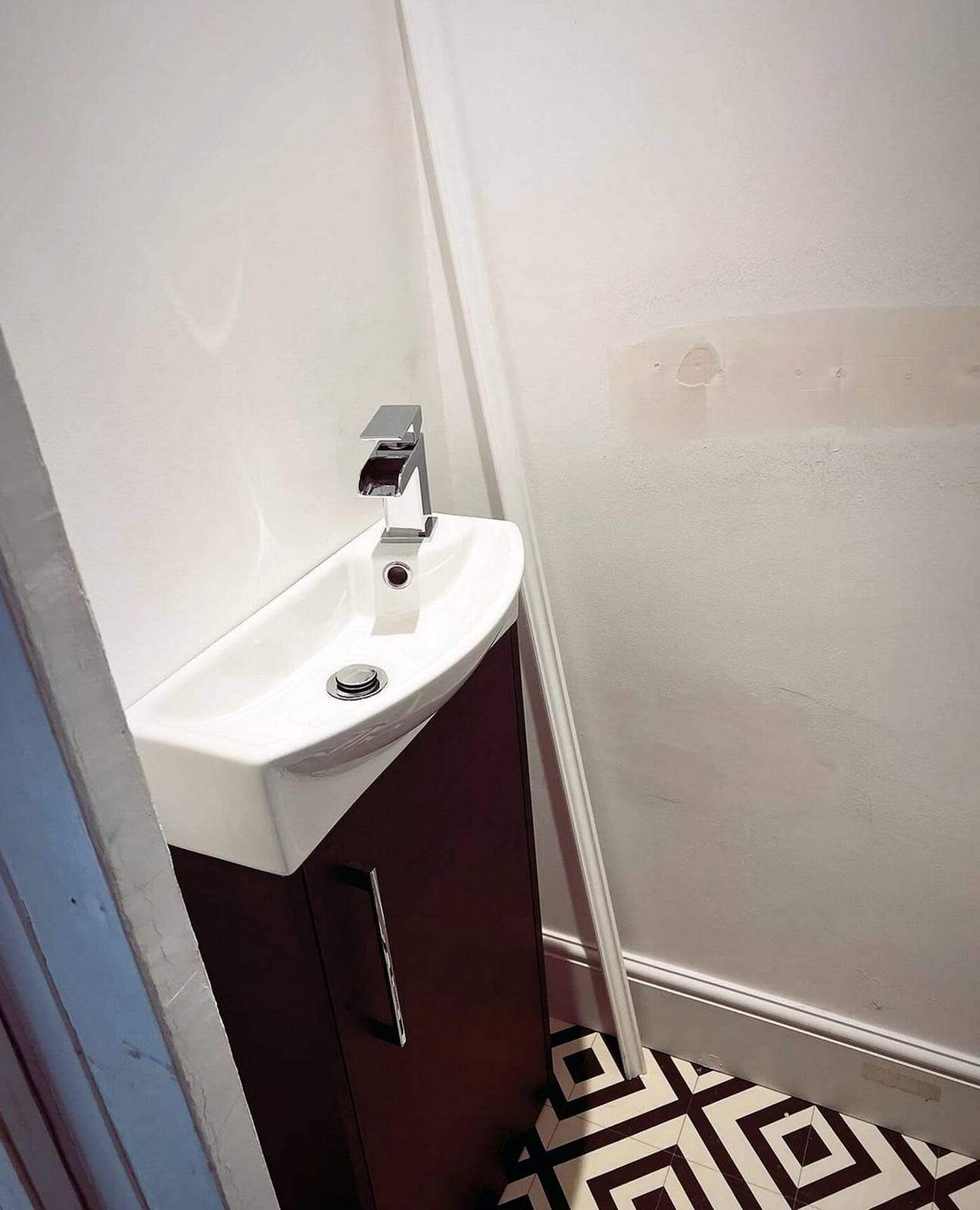
For a running toilet, lift the tank lid. If water is spilling into the overflow tube, the fill valve is not shutting off; adjust its float down. If the level is below the tube, the flapper is leaking: put a few drops of food coloring in the tank and check the bowl after 15 minutes without flushing. A flapper is a cheap part, and the chain should have a little slack.
For a slow bathroom sink or tub, pull the stopper and clean off the hair and soap first. A plunger with the overflow covered by a wet rag clears many clogs; chemical drain cleaners do more harm than good and make the job riskier for whoever opens the drain next.
Call a Plumber Now If…
- Water is spraying, or a ceiling is sagging or dripping, even after you closed the main valve.
- Sewage or dirty water is coming up through a floor drain, a basement toilet or a tub.
- The water heater is leaking from the tank, or its relief valve keeps opening.
- You smell gas near the water heater. Leave first and call the gas utility from outside; then call us.
- The water meter dial moves with every faucet and appliance turned off.
- Water is near outlets, the electric panel or a furnace.
- There is no water at all and your neighbors have water.
- The sump pump has stopped during heavy rain or snow melt.
Call (440) 740-3345 during our hours, Mon–Fri 8:00 am–11:30 pm and Sat–Sun 7:00 am–10:00 pm. Outside them, shut the water off first and send a request.
A Running Toilet, Up Close
A toilet that runs constantly can waste a lot of water in a day, and it is usually one of two parts inside the tank. If the toilet itself is cracked, rocks on the floor or leaks at the base, the wax seal or the bowl needs attention, and that is a job for us.
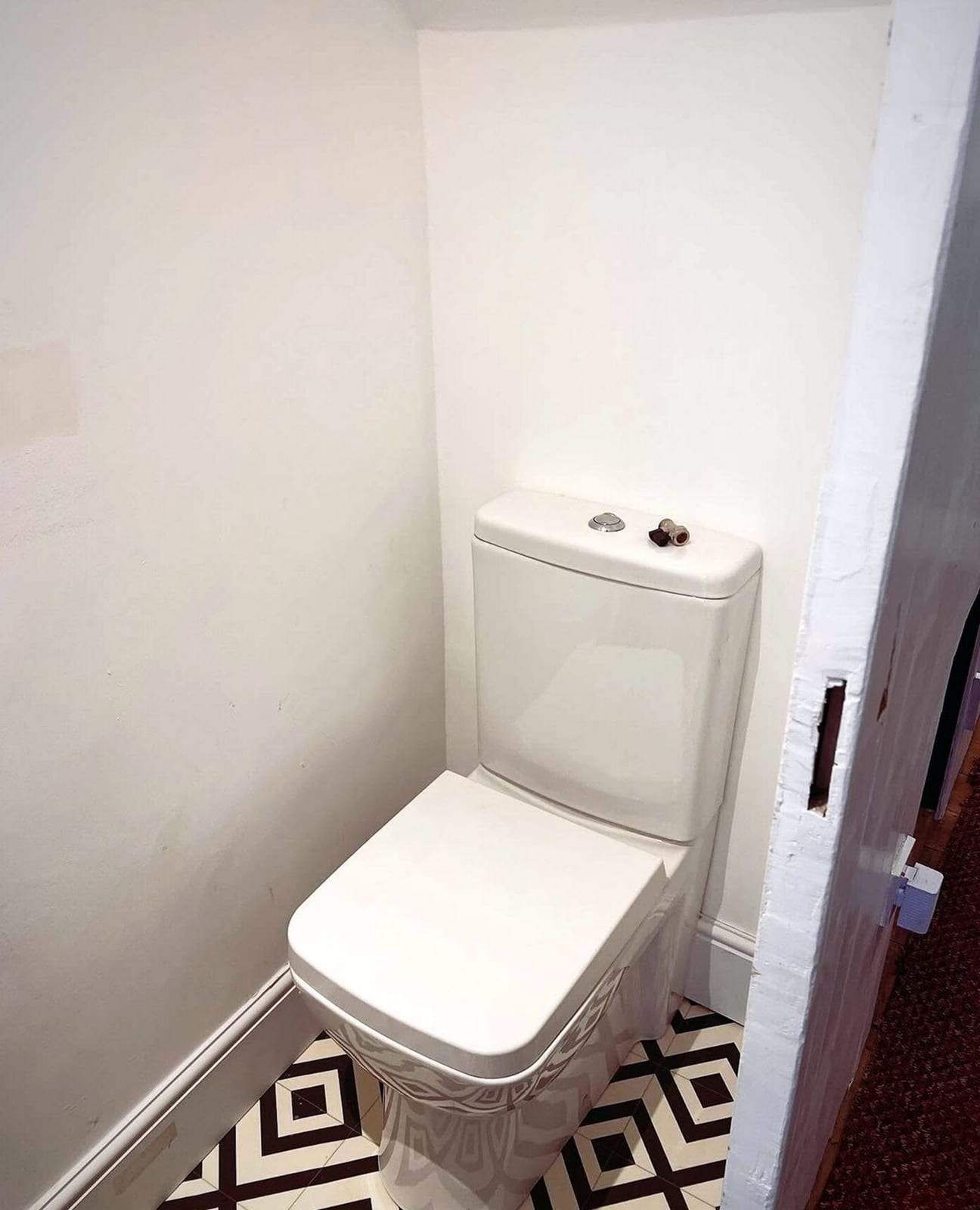
The parts are standard. Most tanks use a 2-inch or 3-inch flush valve, and the flapper has to match it. If you replace the flapper and the toilet still runs, the seat it seals against may be worn or scratched, or the overflow tube cracked, which means replacing the flush valve. We do that as part of toilet repair and replacement, along with clearing stubborn clogs.
Low Pressure and Discolored Water in Older Elyria Homes
Why is the water pressure so low in my older Elyria house?
In houses built before about 1960, the usual reason is galvanized steel water pipe. It rusts and scales on the inside for decades, until the opening is a fraction of its original size; the farthest fixtures and the upstairs shower suffer first. Cleaning aerators helps for a while, but the lasting fix is replacing the worst runs, or repiping with copper or PEX. A pressure test at an outside faucet tells us whether the problem is the pipes inside or the supply coming in.
Why is my water brown or rusty?
If it happens on the cold side all over the house, and especially after hydrant flushing or a water main break nearby, the cause is usually sediment stirred up in the city's mains. Run the cold water in the bathtub until it clears and avoid doing laundry until then. If only the hot water is discolored, the water heater is the source: sediment, or a tank starting to rust inside. Rusty water only at first use in the morning, in an older house, points to galvanized pipes.
Is it safe to drink discolored water?
Discoloration from main flushing is mostly iron and is not considered a health risk in the short term, but it stains laundry and it is not pleasant to drink. Let it run clear first. If the water smells of sewage or chemicals, do not use it and call the city water department.
My water heater makes popping sounds. Is it dangerous?
Usually not dangerous: it is water trapped under sediment in the bottom of a gas tank, bubbling as the burner heats it. It does mean the tank is working harder than it should. On a newer tank, flushing can help; on an older one it is a sign to start planning a replacement. See the water heater page.
Related Pages
Tried the safe steps and still stuck?
Call and describe the problem, or send a request with a good time to reach you. You get an honest quote before any work starts.